

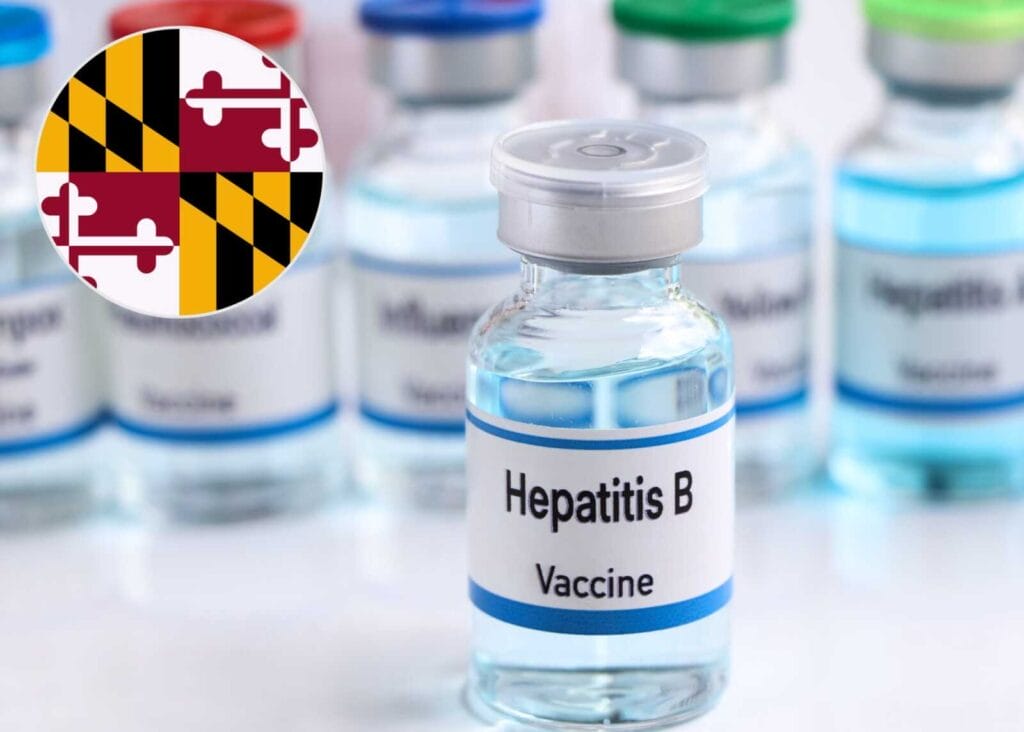
The Maryland Department of Health (MDH) issued an advisory reaffirming that all newborns should receive the full hepatitis B vaccination series beginning at birth, a position it underscored after a federal vaccine committee voted to end the longstanding national recommendation for universal newborn hepatitis B immunization.
MDH also issued a standing order to ensure statewide vaccine access and highlighted additional efforts to support evidence-based vaccination guidance for providers and families.
Per the news release distributed on Friday, December 5: “The Maryland Department of Health (MDH) today issued an advisory to health care professionals and birthing hospitals reiterating the importance of administering the full vaccination series for hepatitis B for all infants, beginning at birth, in accordance with the American Academy of Pediatrics’ recommendations. The Department also issued a standing order, essentially a prescription, to ensure hepatitis B vaccine access for infants and children ages 0-18 across Maryland, as well as guidance to parents and caregivers on the recommended childhood vaccine schedule.
“The hepatitis B infant vaccine helps prevent a chronic and potentially fatal infection, which can lead to serious liver disease and liver cancer later in life,” said Maryland Health Secretary Dr. Meena Seshamani. “As federal policy evolves, MDH is working to ensure the continued safety and well-being of Maryland’s youngest children.”
The recommendation of universal hepatitis B vaccination for newborns is based on an extensive review of current scientific data and medical professional guidance, and aligns with the American Academy of Pediatrics’ Recommended Child and Adolescent Immunization Schedule. Vaccination within 24 hours of birth, and completing the entire series by 18 months of age, has been shown to be highly effective at preventing newborn infection and protecting children for life.
Since 1991, the Centers for Disease Control and Prevention (CDC) and the American Academy of Pediatrics–with widespread consensus among the scientific and medical community–have recommended universal hepatitis B vaccination for newborns. After adopting this protocol in 1991, hepatitis B infections in children and teens decreased by 99 percent. Delaying vaccination misses a crucial period of potential exposure, putting newborns at risk.
The Department has taken other important steps to ensure broad vaccine access for Marylanders, including:
- Launching the Maryland Vaccine Program for adult vaccine access;
- Creating a Maryland Combined Respiratory Illness Dashboard;
- Issuing a COVID-19 vaccine standing order;
- Publishing clinical vaccine guidance for healthcare providers;
- Publishing frequently asked questions about vaccines for the public; and
- Updating respiratory virus immunization recommendations.
Maryland is a member of the Northeast Public Health Collaborative, a partnership with other states and jurisdictions working to protect the health, safety and well-being of its communities. Part of the collaborative’s work includes developing recommendations based on scientific evidence, and fighting to ensure broad access to quality care based on evidence-based guidance.”
