

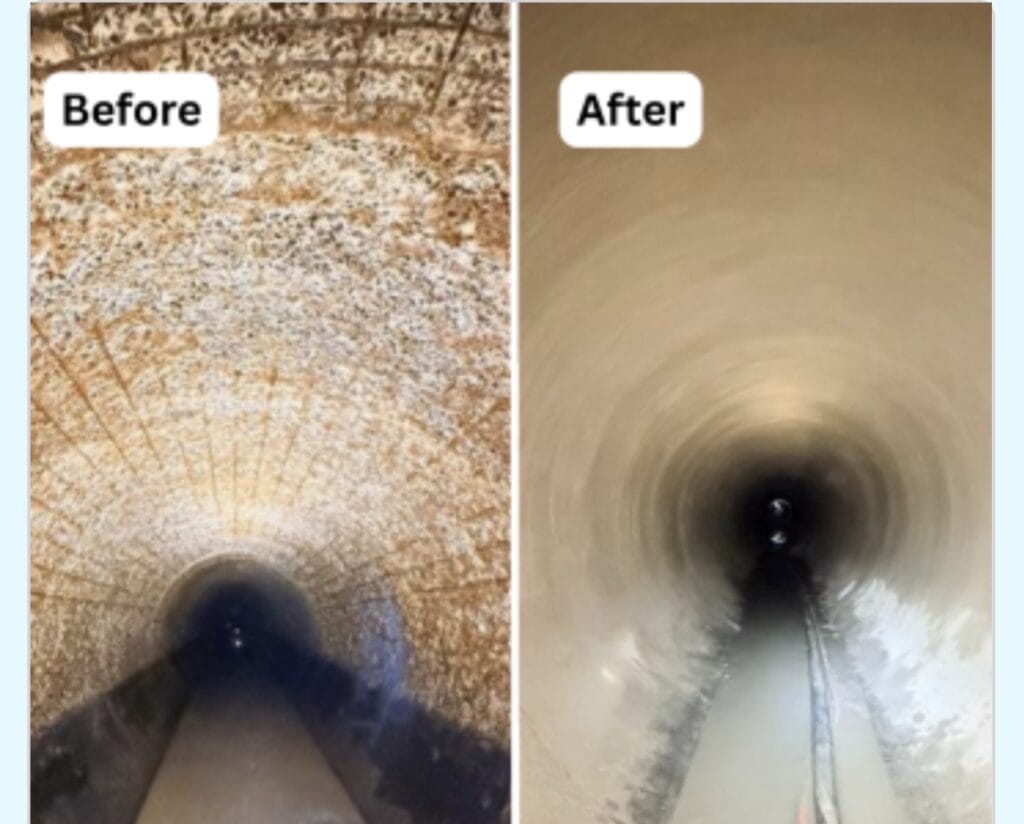
DC Water has completed the first major phase of emergency repairs on a critical section of the Potomac Interceptor near Pennyfield Lock in Potomac, marking a significant milestone in an effort to strengthen the aging sewer line.
The repairs follow the January 19 collapse of a section of the Potomac Interceptor along Clara Barton Parkway near Interstate 495 and the C&O Canal in Cabin John. The failure released an estimated 243.5 million gallons of wastewater into the environment and was described by the University of Maryland as one of the largest sewage spills in U.S. history.
Crews recently installed a new geopolymer lining inside a 175-foot section of the pipe after inspections revealed significant wear and damage. The work is part of a larger project to rehabilitate approximately 1,700 feet of the interceptor near Pennyfield Lock. According to DC Water, the newly installed lining reinforces the existing pipe and prepares it for the next phase of repairs.
The next step will involve installing a new pipe inside the existing sewer line, with work expected to begin late next month after crews finish preparing two access points. DC Water says the new pipe is designed to last between 50 and 75 years before showing signs of wear.
“We are making strong progress on these repairs while working as quickly and safely as possible,” said DC Water Interim CEO and General Manager Matthew Brown. “This work will strengthen a critical sewer line, reduce risk for nearby communities and help protect the Potomac River.”
The Potomac repairs are part of a broader effort to inspect and rehabilitate the 54-mile Potomac Interceptor, which carries wastewater from portions of Montgomery County and Northern Virginia to DC Water’s Blue Plains Advanced Wastewater Treatment Plant.
The expanded inspection and repair program was launched following a pipe failure in Cabin John earlier this year. Since then, crews have used advanced inspection technology to identify additional sections requiring repairs. Similar rehabilitation projects are also underway near Dulles International Airport, Broad Run in Loudoun County, and near the DC-Maryland border.
By repairing the pipes from the inside rather than replacing them through excavation, DC Water says it can reduce construction impacts while improving the long-term reliability of the sewer system and helping protect public health and the Potomac River.
