

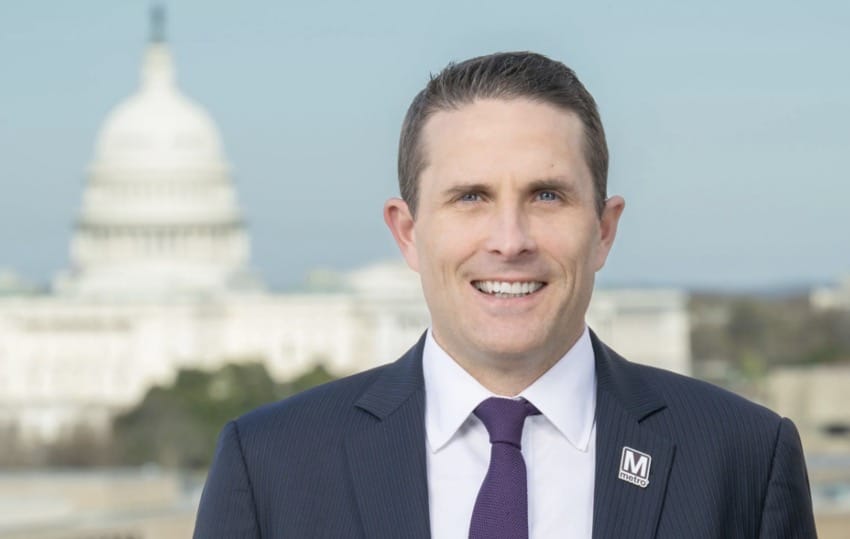
WMATA CEO and General Manager Randy Clarke is calling fare evasion a threat to Metro’s finances, safety and ability to provide reliable service after new data showed that nearly two-thirds of Metrobus riders did not pay their fares in June.
Spencer Ainsworth reported that Metrobus fare evasion declined from 73% in May to 63% in June, two months into WMATA’s increased fare-enforcement efforts. Although overall ridership has fallen slightly during the past two years, paid rides reached a new post-pandemic high in June. The post received significant attention, prompting Clarke to respond with a series of thoughts on X.
Clarke said fare evasion remains too high and should not be considered a victimless crime because it deprives the region of money that could support safer, more reliable and more frequent transit service. “It’s a social contract, we can’t police our way out of it,” Clarke wrote.
He said Metro desperately needs fare revenue as the three jurisdictions that fund the system face their own budget pressures and WMATA’s costs continue to rise with inflation. More fare revenue could support additional bus service, while continued losses could lead to service cuts.
Clarke also noted that Metro offers income-based and senior fare programs, but said the lack of a consistent regional fare policy creates challenges for both public awareness and enforcement.
According to Clarke, Metro issues citations, but the jurisdictions are responsible for managing the cases and collecting fines. He said only police are currently authorized to enforce fares, adding that legislative action would be required for Metro to adopt different enforcement approaches.
Metro has upgraded its fare readers, expanded payment options to include credit and debit cards and begun using video to identify fare evaders. Clarke said reducing fare evasion can also contribute to a safer transit system, while acknowledging that not everyone who evades fares commits other crimes.
“Nothing in this world is free. Someone has to pay,” Clarke wrote. “It’s a real issue and we need leaders, partners to come together and treat it like a real issue. Metro can’t fix this alone. A community asset is only as good as the support, expectations and accountability it gets.”
