

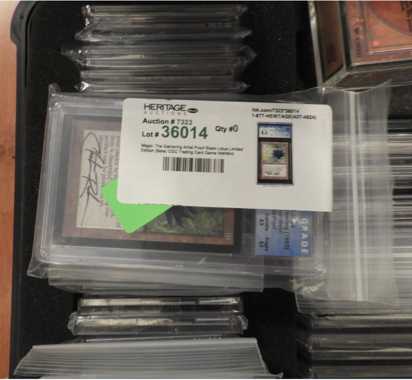
A Rockville man has been convicted by a federal jury of computer fraud and money laundering for hacking a decentralized cryptocurrency exchange and stealing more than $50 million in cryptocurrency.
According to the U.S. Attorney’s Office for the Southern District of New York, Jonathan Spalletta, 36, of Rockville, was convicted on all counts following a six-day jury trial in Manhattan. The charges stem from two hacks of the cryptocurrency exchange Uranium Finance in April 2021.
Prosecutors said Spalletta first exploited the platform on April 8, 2021, using a series of transactions to withdraw approximately $1.4 million in cryptocurrency. In a message sent about two weeks later, prosecutors said Spalletta described what he had done as a “crypto heist” and wrote that “Crypto is all fake internet money anyway.”
Later that month, prosecutors said Spalletta exploited another vulnerability in Uranium’s code across multiple liquidity pools, obtaining approximately $53.3 million in cryptocurrency. The theft depleted the platform of funds and caused Uranium to shut down.
According to prosecutors, Spalletta then laundered the stolen cryptocurrency through a series of transactions, including use of the cryptocurrency mixer Tornado Cash.
Prosecutors said some of the stolen money was used to purchase high-value collectibles, including a Black Lotus Magic: The Gathering card for approximately $500,000, 18 sealed Alpha Booster packs for more than $1.5 million, a first-edition Pokémon booster box for approximately $257,500 and a complete first-edition Pokémon base set for approximately $750,000.
Other purchases included a piece of fabric from the Wright brothers’ airplane that was later taken to the moon by astronaut Neil Armstrong for approximately $137,500 and an ancient Roman coin commemorating the assassination of Julius Caesar for more than $600,000.
Federal authorities also seized approximately $31 million in cryptocurrency in February 2025 that prosecutors said Spalletta had obtained through the Uranium hack.
Spalletta was convicted of one count of computer fraud, which carries a maximum sentence of 10 years in prison, and one count of money laundering, which carries a maximum sentence of 20 years. His sentence will be determined by a federal judge.
