

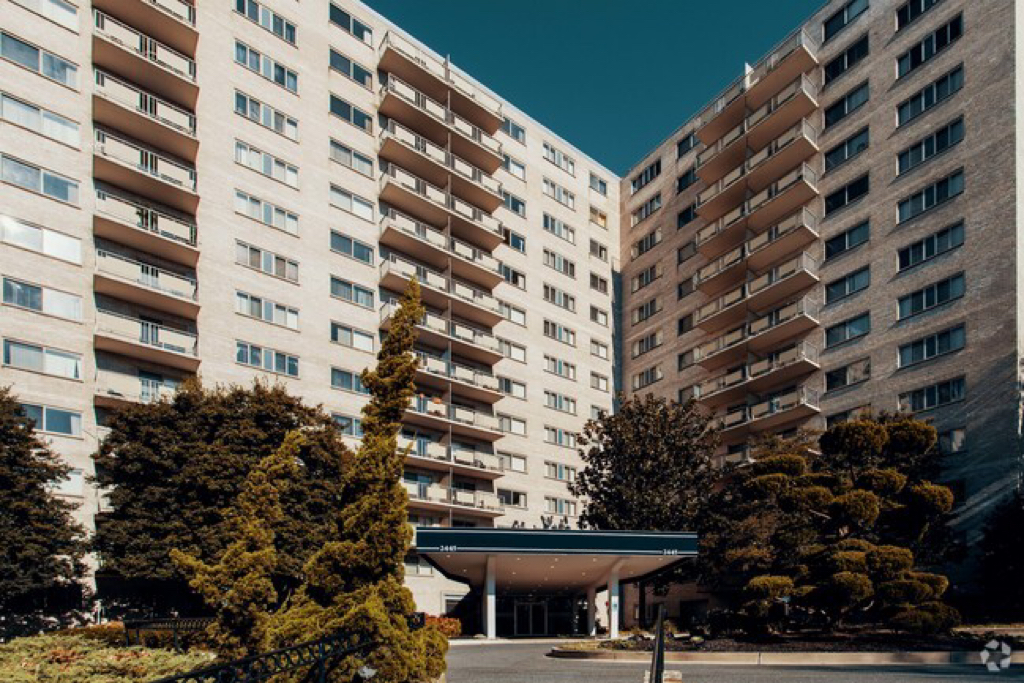
Southern Management Cos has written a letter to Montgomery County Executive Marc Elrich and the County Council, on behalf of 48 Montgomery County Apartment communities and 14 multi-family owner/developers/managers, expressing their concern with the rent hike cap, citing various reasons.
The full letter can be seen below.
“Dear County Executive Elrich and President Albornoz,
I am writing on behalf of the 48 undersigned Montgomery County apartment communities and 14 multi-family owner/developers/managers to request your emergency support of our County’s struggling multi-family businesses. We are a diverse group representing many different economic sectors of the commercial real estate industry, with our own unique challenges operating in this County.
There are over 100,000 rental units in Montgomery County, all of which have been subjected to rent control for twenty-nine (29) months (April 2020 – August 2022). We appreciate the good intentions of passing legislation to help residents through the COVID-19 pandemic. However, the rent stabilization component of Bill 30-21 has no causal nexus to pandemic-related harm. There is no means testing, financial qualification, or even proof that a tenant has requested rent relief. Instead, the wide-sweeping measure has disproportionately benefited the wealthy in the County, while failing to move the needle for those in need.
While the rest of the Country pivots to COVID recovery, the County has imposed a draconian 0.4% limit on rent increases, using the “voluntary rent guidelines” (which are now mandatory) of regional rent CPI. The CPI is fatally flawed. The 2021 rents throughout this region were artificially depressed by wide-spread rent stabilization legislation, and do not reflect market realities. Our fixed costs and operating expenses (insurance, energy, labor, maintenance, and capital expenditures) have trended with the full Regional CPI closer to 6.0% (the largest increase in twelve years). Thus, the existing CPI methodology should not be used to create a voluntary rent guideline, let alone to serve as the basis for rent control.
Additionally, rent stabilization (even in the short term) creates damaging and long-lasting impacts on the local economy. We are aware of the County’s initiatives with respect to creating new Building Energy Performance Standards (“BEPS”). The BEPS proposal includes recommendations for retrofitting existing housing stock with electric forced-air heating, amongst other things. It is not feasible for property owners to navigate increasing expenses, ballooning capital and retrofit expenses, without any ability to share these costs with our end-user tenants, or in the alternative, without assistance from the County.
We do not make decisions in a vacuum, and we are not all large owners with unlimited resources. We answer to our investors, lenders, and development partners, who are finding it increasingly difficult to underwrite new multi-family investment in Montgomery County given the high costs of doing business and the unfavorable and uncertain legislative climate. By creating arbitrary rent controls, and an uncertain investment environment, investment in new housing projects in the County will come to a halt. This puts the County’s affordable housing goals in jeopardy.
Housing cannot be sustained as an involuntary public-private partnership, where the public retains all the benefits and housing providers carry all the burdens. Please consider the very real hardships facing our industry and cease broad-stroked legislation that hampers our ability to continue to invest in Montgomery County.
Currently, Bill 30-21 ends on May 15, 2022, but it does not effectively sunset until August 15, 2022, under the burdensome 90-day notice periods. We ask that the bill ends when it is supposed to – and that: (i) the 90-day notice period for rent increases be shortened to a more reasonable 30- day notice period; and (ii) we be allowed to send 30-day rent increase notices by April 16, 2022, so that we may notify tenants of reasonable rent increases in a timely manner upon expiration of the bill.
Regards,
Suzanne D. Hillman”
Actual letter can be seen here, including undersigned communities.