Vietnam Veterans Memorial in Rockville
Yesterday, March 29th, was national Vietnam War Veterans Day. March 29th marks the day in 1973 when the U.S. Military Assistance Command in Vietnam was disestablished.


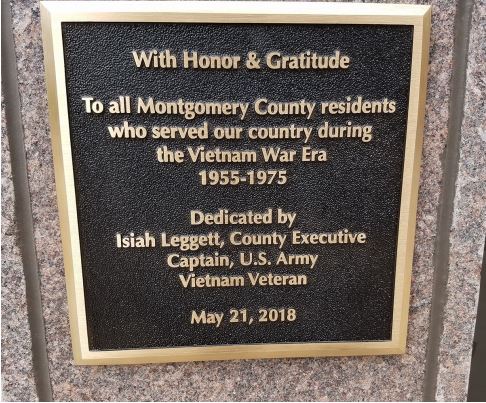
Vietnam Veterans Memorial in Rockville
Yesterday, March 29th, was national Vietnam War Veterans Day. March 29th marks the day in 1973 when the U.S. Military Assistance Command in Vietnam was disestablished.
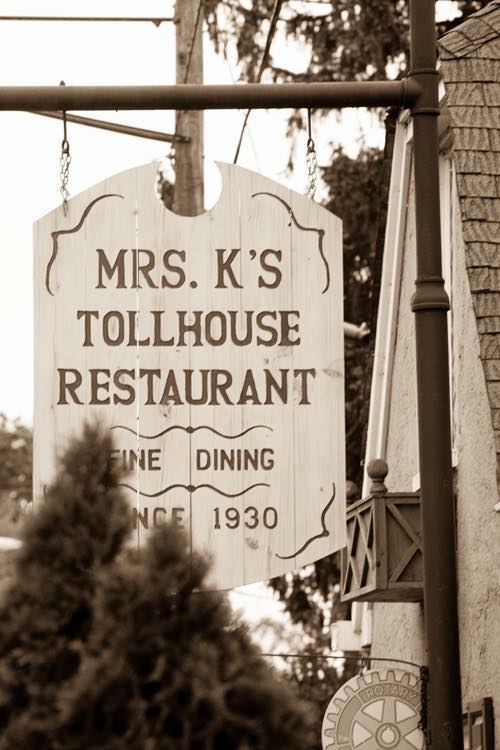
New Restaurant Coming to Former Mrs. K’s Location
Washington City Paper is reporting that Chris Brown of the Takoma Beverage Co. has signed a lease to take over the former site of Mrs. K’s Tollhouse at 9201 Colesville Rd in Silver Spring.
Explore Rockville 2021 Features a Socially Distanced Scavenger Hunt & Tour
Peerless Rockville, a non profit historical preservation group, will be offering a virtual, self guided tour of the city and a socially distanced scavenger hunt from March 18th through the 21st. Tickets available here.

Event: “Forging Freedom: Endurance, Escape, and Rockville’s Underground Railroad” on February 25th
A virtual presentation on Peerless Rockville’s exhibit “Forging Freedom: Endurance, Escape, and Rockville’s Underground Railroad will take place on Thursday, February 25th at 7PM. You can register for the free event at here.
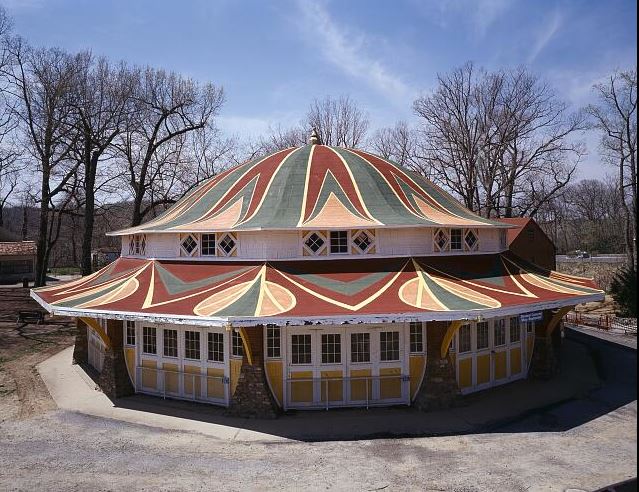
Glen Echo Carousel Celebrates 100 Years
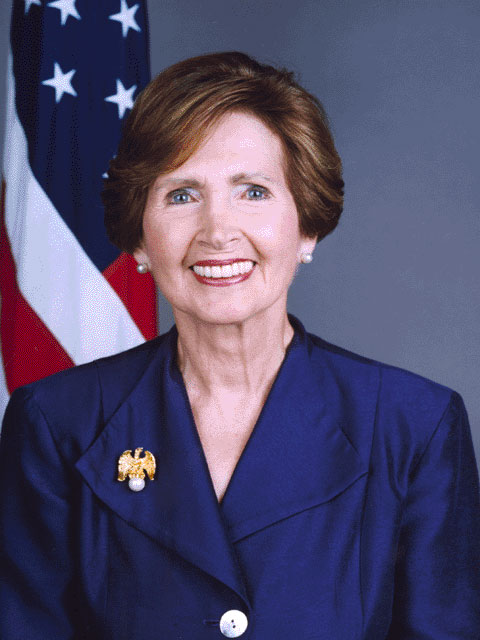
Former Congresswoman Connie Morella Turns 90
Montgomery County’s Connie Morella turns 90 years old on February 12th. Morella was well known for being a beloved Republican elected in a heavily Democratic district, often winning reelection with over 70% of the vote.

Hank Dietle’s Tavern Receives Approval For Its Original Liquor License, #001
Back in February of 2018, Hank Dietle’s Tavern suffered damage after a fire, forcing it to close. Since then, a dedicated crew has been working hard to rebuild the tavern.

Victor Litz Celebrates 60 Years
This year, Victor Litz Music Center in Olde Town Gaithersburg is celebrating 60 years in business.

Montgomery County’s 2021 History Conference Begins Tonight
The 15th annual Montgomery County History Conference begins tonight at 7PM with a special trivia event hosted by The MoCoShow’s Alex T. The event will be held over the next nine days and feature a keynote speech on Wednesday by Kevin Levin, discussing confederate monuments and race.

There are countless establishments that used to be in MoCo that are no longer here today, but in this article we are looking at just 15 of them and letting you know the closest locations where you could get your fix!
Warning: some aren’t too close 🙁

7 Locks Brewery to Release Controversial “Surrender Donald” Beer, Responds to Political Backlash
7 Locks Brewery at 12227 Wilkins Avenue in Rockville will be releasing a limited edition of their locally popular Surrender Dorothy beer, renamed Surrender Donald.