Whenever we do a post looking back at MoCo restaurants from yesteryear, the first place that pops up in the comment section is Little Tavern Burgers (photos below).  A little backstory from a 2017 article: In the 1940s, there were almost 50 Little Tavern location in the D.C. and Baltimore Metro area. By the early 90s, that number dropped to 20. The last one closed about a decade ago. Through the years there were 4 MoCo locations (2 in Silver Spring, 1 in Bethesda, and 1 in Wheaton). Most MoCo folks remember the one across from Wheaton Plaza best. One Montgomery County native told me that in the 50s you could buy their famous burgers for .5 cents each, but most people remember the $5 bag of burgers from the 80s/90s. The best part…they were open 24 hours a day.

Today we’ll be recreating the famous “buy em by the bag!” burgers. The most circulated version of the Little Tavern Burger recipe is this one found at food.com. It calls for:

John F. Kennedy’s Time in Montgomery County

It’s spring of 1960 and the democratic candidates are campaigning for the presidential election. Most candidates are putting a focus on Maryland — a state that doesn’t gain much attention in today’s elections — but John F. Kennedy planned to make the most of his time in Maryland.


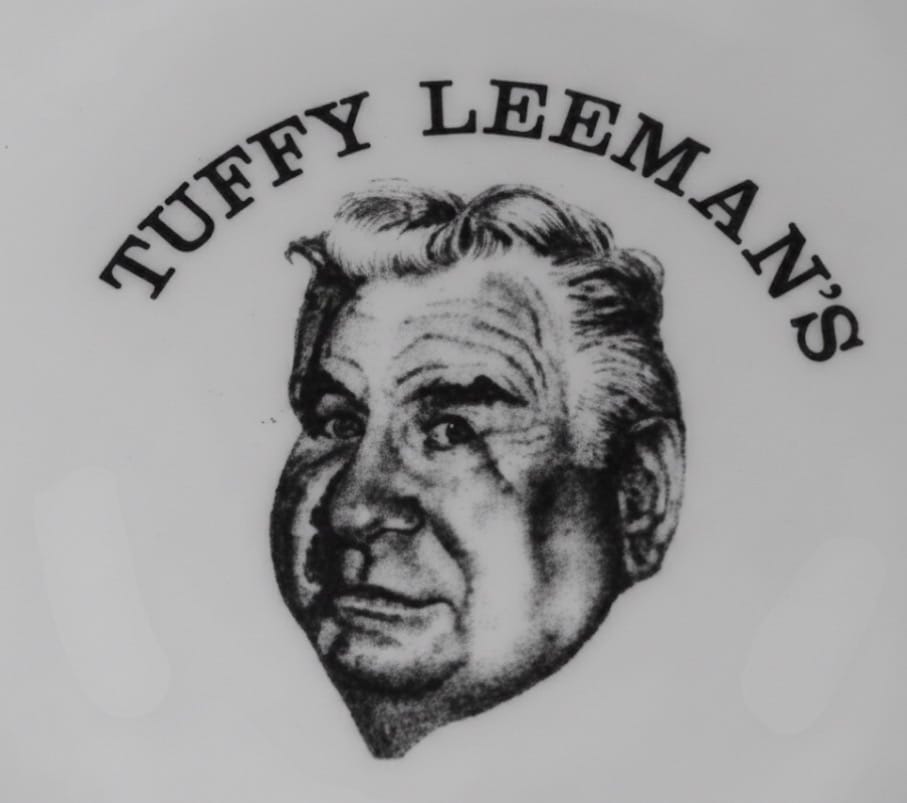
Tuffy Leemans played in the NFL from 1936-1943. In his rookie season, he led the league in rushing and was named an All-Pro.

In 1978, Alphonse “Tuffy” Leemans was inducted to the NFL Hall of Fame for his time with the New York Giants. At that point, he hadn’t just achieved one of the highest honors in the NFL… he had also become a local legend among Duckpin Bowlers in Montgomery County.


These are a couple quotes from people who commented on a picture of the Glenmont Arcade sign on when we posted it last week on Instagram. Despite its name, this wasn’t a gaming arcade. Originally built in 1952, the Arcade was a mini mall inside a strip mall. 11 store fronts were open for “one-person businesses.”

A number of local businesses have opened and closed in the Glenmont Shopping Center. In 1957, a 24-lane bowling alley, Tuffy Leemans, first appeared at the strip mall located in the basement of the arcade and stayed open until 2002. There, you could find multiple pinball games, which many believed was the reason for the “arcade” name. Later on, arcade games were brought in, but that was long after the sign and name came about.


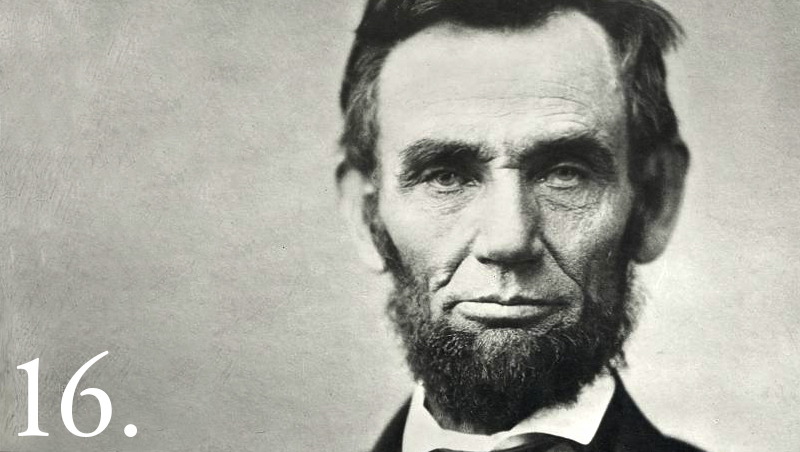
Did Abraham Lincoln spend time at Silver Spring Mansion with the Blairs?

Lincoln and the Blairs were close. The Blairs already had a strong family friendship with the Lincolns in Kentucky. Francis Preston Blair Sr. had advised U.S. presidents before Lincoln, which means that Lincoln and Blair Sr. would most likely have had at least a close work relationship. The two families were clearly political allies since Lincoln made Montgomery Blair, Blair Sr.’s son, the administration’s postmaster general.


Many of you may have spent a sun-splashed day roaming the 18.3-acre grounds of Nike Missile Park in Gaithersburg near Snouffer School Road. However, this site was not always the lovely green space that we see today – and the “Nike” is not referring to the Swoosh we’re all familiar with. Project Nike was an anti-aircraft missile initiative that traces its roots back to 1944, when the U.S. Department of War (now the Department of Defense) tasked its scientists and engineers to develop a widespread anti-aircraft missile system. During the Cold War, tensions were at a fever pitch, and the U.S. military sought to ensure that the nation was protected in the event of an attack.

Previously known as Site W-94 in the Washington-Baltimore Defense Area (BA, W), the Gaithersburg site was one of several Nike facilities across the capital region equipped with anti-aircraft infrastructure for use in the case of airborne attacks. The site was equipped with the Nike Ajax (MIM-3) missile systems, which were the main foundation of the Nike program until the mid-1960s. Once the technology advanced past the Ajax’s point, the Gaithersburg Nike Missile site was deactivated and demolished, with the core site being transferred to the National Park Service and the surrounding areas developed into residential lots. In 1997, the National Park Service then transferred the site to the Maryland-National Capital Park Planning Commission (M-NCPPC), at which point we gained the Nike Missile Park that we know today.


During the post-war boom in the 1950s, Montgomery County’s population more than doubled in size and rivaled the population booms of  Los Angeles and Houston. The number of residents in the County had shot up from 164,401 to 340,928, increasing by 107%.

The thriving job market in MoCo helped facilitate its growing population. In the 1960s, multiple federal government agencies in Montgomery County, such as Walter Reed Hospital Annex and the National Institute of Health, continually employed professional workers. Other private businesses like IBM Federal Systems, Inc. and Johns Hopkins Applied Physics Laboratory were also offering work.


View More Stories