

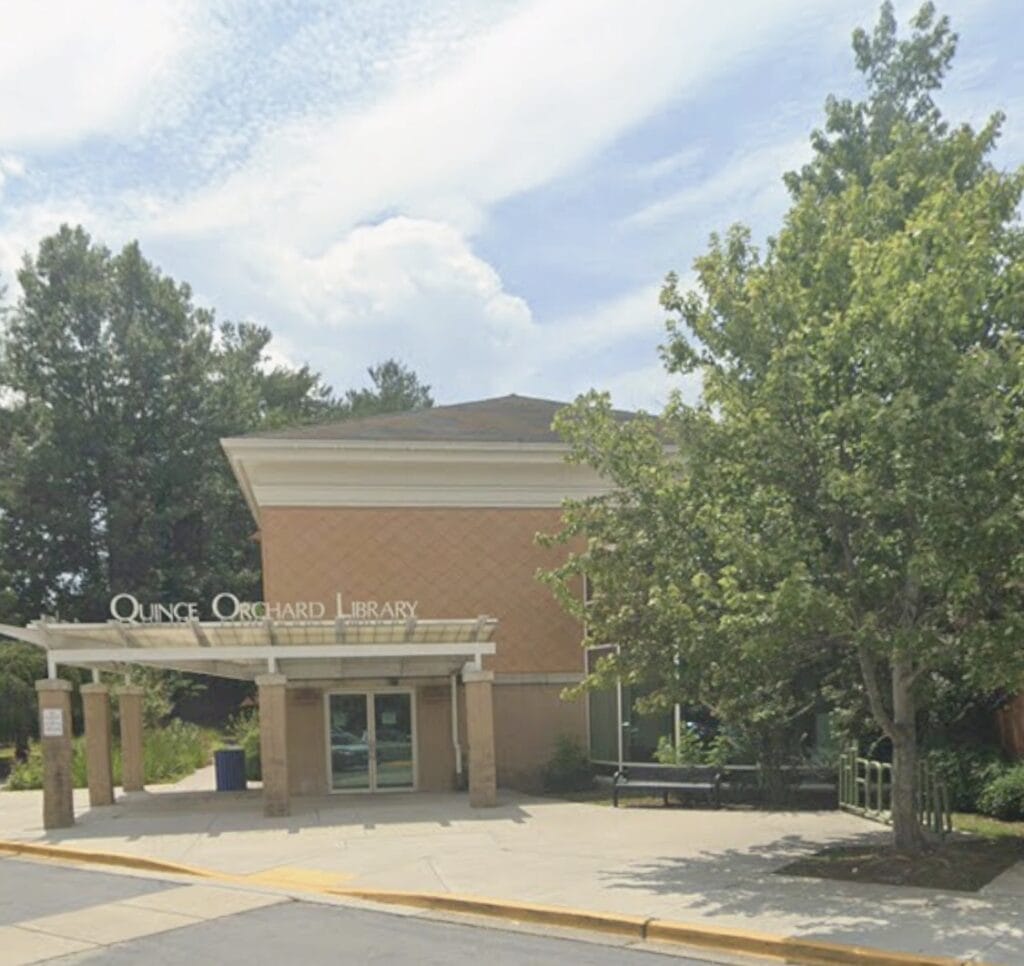
Montgomery County Public Libraries officially began offering free daily printing and copying on Monday, January 5, expanding access to essential services across nearly all library branches countywide.
Under the new policy, customers can print or copy up to 15 black-and-white pages or two color pages per day at no cost at all MCPL locations, with the exception of the Noyes Library for Young Children. The change is designed to improve equity, access, and customer service for residents who rely on library resources for everyday needs.
The initiative eliminates the need for cash or card transactions at library service desks, streamlining operations and reducing administrative work for staff. According to Montgomery County officials, the move allows employees to spend more time assisting customers rather than handling payments.
“For many residents, printing a resume, a school assignment, or a government form is not optional; it’s part of daily life,” County Executive Marc Elrich said in a statement. “By offering free printing services, we’re making it easier for people to take care of essential tasks. This is a small change with a real impact.”
County leaders say the policy is particularly beneficial for residents applying for jobs, completing schoolwork, or accessing government services—situations where printed documents are still required. “This change allows our staff to spend more time assisting customers and less time managing cash and transactions,” MCPL Director Darcell Graham said. “It’s a win for both efficiency and customer experience.”
As part of the transition away from cash handling, certain items such as earbuds and flash drives will now be available free of charge to Montgomery County residents on a limited basis. While basic printing and copying are now free, any fees for lost or damaged library materials, as well as printing beyond the daily free allotment, must be paid through customers’ online library accounts.
County officials noted that the move aligns MCPL with other library systems nationwide that have adopted similar free-printing models, emphasizing access to services as a core public function.
