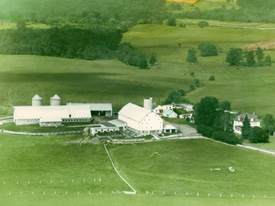
Some grew up with the Maryland Soccerplex being there as far back as they can remember, but for those of us who were around and remember the times before 1999, we know that something else was there before. The following history (and featured photo), dating back to 1913, comes from the King Barn Dairy MOOseum in Boyds:

In 1913 James King purchased a 350 acre farm in between Germantown and Boyds, Maryland from the Lyddane family, and moved in with his new bride, Macie.  Over time, as their family grew, the farm flourished as part of the dairy boom that brought wealth to Montgomery County in the Twentieth Century.


The Lincoln Assassination Connection, by Susan Soderberg

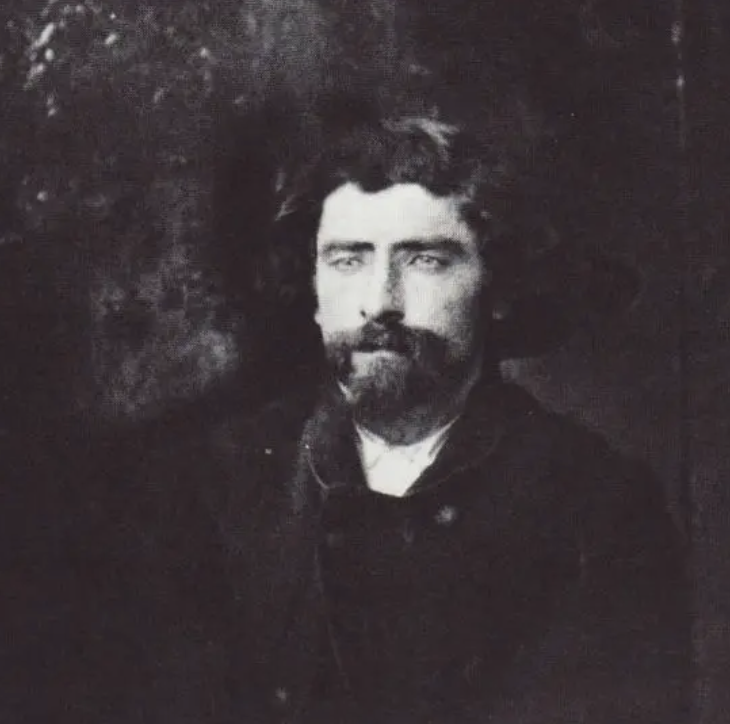
Many of you who have seen the recent movie The Conspirator will know that George Andrew Atzerodt (alias Andrew Atwood), was one of the Lincoln assassination conspirators executed on July 7, 1865. Atzerodt was arrested in Germantown, the town where he had spent many years as a boy. How he got involved with the Booth gang and why he ended up back in Germantown is a compelling story.


Per Montgomery County:

A collective of Maryland organizations and agencies have completed a groundbreaking research document, the “Maryland LGBTQ Historic Context,” making Maryland the second state in the nation to do so. The report, released in September 2020, illuminates Maryland LGBTQ history in rural, suburban and urban locations. The report will be the focus of a Montgomery History presentation available online starting Monday, April 11.


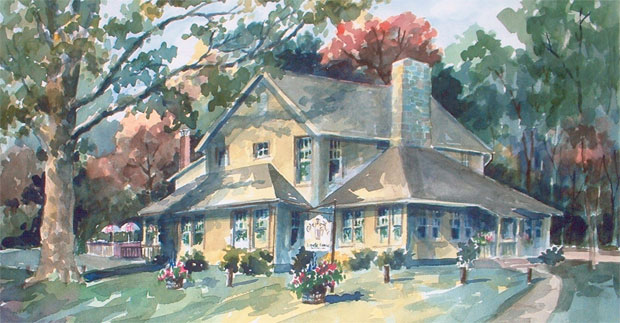
Back in July of 2021 it was announced that the Montgomery County Green Bank and Sandy Spring Bank would be teaming up to provide flexible financing to help the Olney Ale House re-open.

We spoke with a representative from Montgomery County Green Bank in September, who let us know that the construction is moving along well and that construction could take around 3-5 months, but that is just an estimate. They said they want to make sure to keep the county up to date on potential activities around the reopening and would provide additional information soon. We have not heard any additional information since.


The following comes from PLACES from the PAST: The Tradition of Gardez Bien in Montgomery County, Maryland by Clare Lise Kelly (M-NCPPC)

Part 1 available here: Black History: African-Americans in MoCo Before the Civil War)


The following comes from PLACES from the PAST: The Tradition of Gardez Bien in Montgomery County, Maryland by Clare Lise Kelly (M-NCPPC):

Though local tobacco plantations were small in scale compared to the large estates of the Deep South, they relied nonetheless on labor of enslaved people. In 1790, enslaved people were one-third the entire population in Montgomery County. The number of slaves exceeded that in Frederick County to the north (12%), but was not as large as its southern neighbor, Prince George’s County (52%). There were five times more slaves than free Blacks here in the 1840s-50s. The travesty of one person owning another and brutal treatment of enslaved people were realities of the county’s first 150 years.


View More Stories