

March marks Colon Cancer Awareness Month, and a MedStar Health gastroenterologist based in Olney is helping highlight widespread confusion about when Americans should be screened for colorectal cancer.
According to a national MedStar Health survey of 1,000 U.S. adults, more than 75% said they are unsure when or how often to get a colonoscopy. Dr. Raena Olsen, who practices at MedStar Montgomery Medical Center in Olney, says that confusion can have serious consequences, as early detection plays a critical role in survival.
“Colon cancer screening guidelines have changed,” Olsen said. “The American Cancer Society now recommends that average-risk adults begin colorectal cancer screening at age 45.” Average-risk adults are those with no personal or family history of colorectal cancer or polyps and no underlying conditions such as inflammatory bowel disease.
Despite updated guidelines, misconceptions remain common. Many people believe screening is only necessary if symptoms are present or if there is a family history, but experts emphasize that all adults should begin screening at age 45. Others mistakenly think screenings are needed every five years, when in fact a colonoscopy is typically recommended every ten years for average-risk individuals with normal results.
The survey also found that more than 36% of eligible adults have skipped colorectal screening altogether, and only 13% of respondents could correctly identify all symptoms associated with colon cancer. Those symptoms can include changes in bowel habits, stomach cramps, loss of appetite, unexplained weight loss, fatigue, nausea, and vomiting, among others.
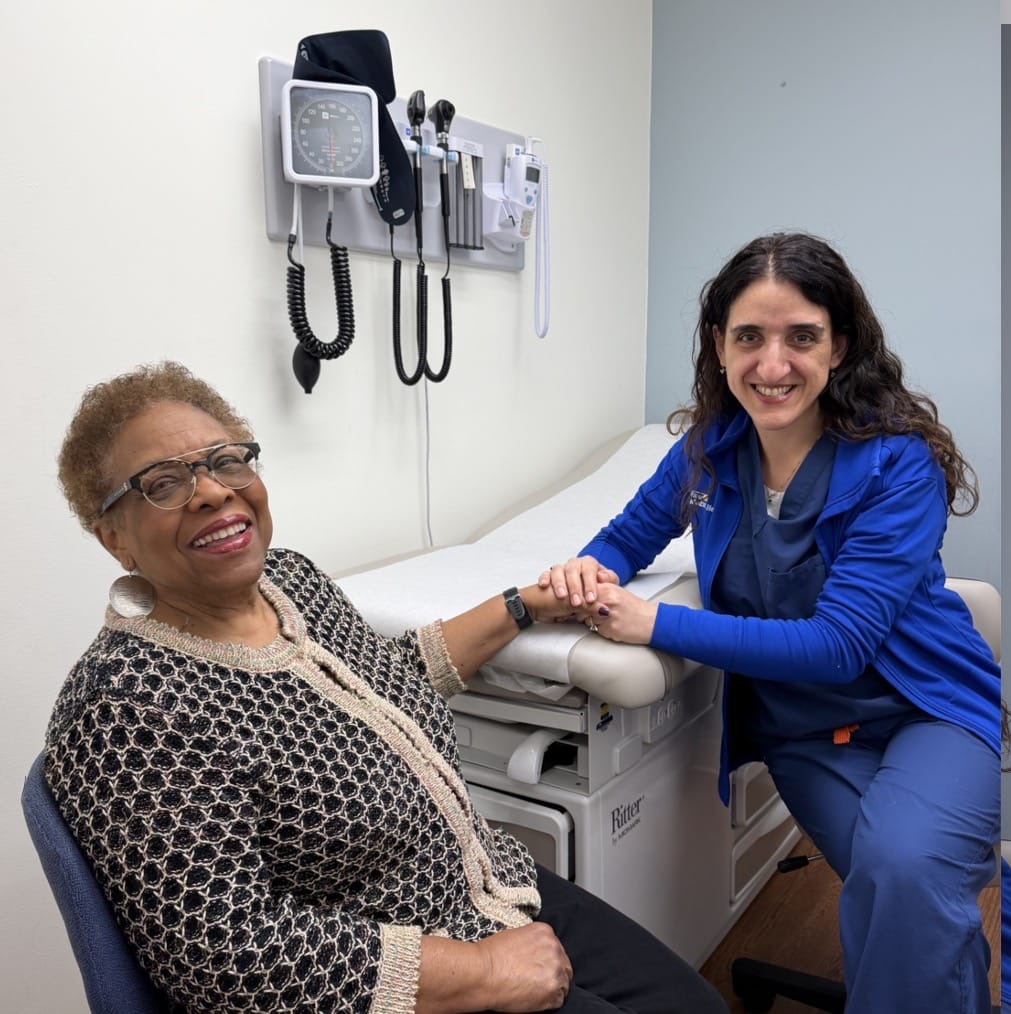
For one patient, the importance of screening became clear after years of putting it off. Gwendolyn Sinclair was diagnosed with Stage 2 colon cancer at age 78 after delaying a colonoscopy for more than two decades due to fear. “She completely calmed my nerves,” Sinclair said of Olsen. “She even told me she would hold my hand while they sedated me.”
Sinclair underwent surgery to remove the cancer and did not require chemotherapy. Now, about a year later, she says she has returned to normal life and is looking forward to getting back on the pickleball courts this spring. “If you are reluctant to have a colonoscopy, go ahead and do it,” she said. “I honestly believe if I had been having colonoscopies regularly, I would not have been diagnosed with cancer.”
Olsen emphasized that routine screenings can detect colon cancer early, often before symptoms appear, when it is most treatable. “A simple screening could save your life,” she said.
